
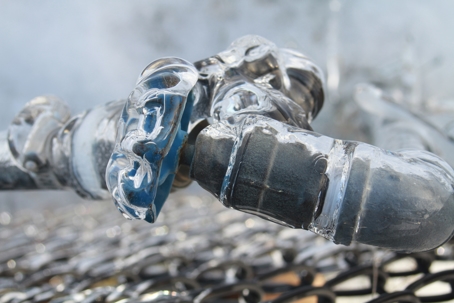
When temperatures drop in Central New Jersey, frozen pipes are one of the most common and costly plumbing issues homeowners face. Not only can frozen pipes disrupt your water supply, but they can also burst and cause serious water damage to your property. With decades of experience serving families and businesses in the area, Bailey Plumbing Heating Cooling has seen how quickly pipe problems can escalate during winter. Luckily, there are practical steps you can take to protect your home before the cold sets in.
Why Frozen Pipes Are a Serious Concern
When water inside your pipes freezes, it expands and places pressure on the pipe walls. This can cause cracks or bursts that release gallons of water into your home. Even a small split can cause thousands of dollars in damage, making prevention a much smarter and more affordable choice.
Insulate Your Pipes
Exposed pipes in unheated areas like basements, crawl spaces, garages, or attics are at the greatest risk of freezing. Pipe insulation is an inexpensive and highly effective way to protect them. Foam sleeves or heat tape can keep pipes warm enough to prevent freezing, especially during overnight temperature drops.
Keep a Steady Indoor Temperature
Setting your thermostat at a consistent temperature day and night helps protect your plumbing system. Even if you’re leaving for a trip, avoid lowering your heat too much—keeping your home at 55°F or higher is a safe benchmark. This small step ensures water continues to flow and reduces the chance of frozen pipes.
Let Faucets Drip During Extreme Cold
Allowing a slow trickle of water to run through faucets connected to vulnerable pipes can relieve pressure inside your system. Moving water is less likely to freeze, and this simple trick can prevent costly bursts if a pipe does start to ice over.
Seal Drafts Around Pipes
Cold air entering through cracks or gaps in walls and foundations can cause nearby pipes to freeze. Check areas where plumbing runs through walls or floors and use caulk or insulation to seal those spaces. Preventing drafts goes a long way in keeping your pipes safe.
Open Cabinet Doors
On especially frigid nights, open cabinet doors under sinks to allow warm air from your home to circulate around pipes. This tip is particularly helpful in kitchens and bathrooms that are located on exterior walls.
Know Who to Call if Pipes Freeze
Even with the best precautions, pipes can still freeze during severe cold. If you notice reduced water flow or suspect a frozen pipe, it’s important to act quickly. Call the licensed professionals at Bailey Plumbing Heating Cooling for prompt and reliable service. With over 35 years of experience, their team can locate the issue and restore your plumbing safely. For immediate help, reach them anytime at (800) 717-1793.