
If you are tired of waiting for hot water or worried about pipes freezing every time a cold snap hits Central New Jersey, the issue may not be your water heater at all. In many homes, the problem is the bare, uninsulated hot water pipes running through basements, crawl spaces, and walls that quietly waste heat, water, and money every day.
At Bailey Plumbing Heating Cooling, we have spent more than 35 years working in basements, attics, and mechanical rooms throughout Central New Jersey. We see firsthand how a relatively simple upgrade like hot water pipe insulation can make a real difference in comfort, energy costs, and plumbing reliability. When you understand what insulated pipes actually do for your home, it becomes clear why this small project can have an outsized impact.
Here are six practical reasons hot water pipe insulation is worth considering in your home.
Reason 1: Lower Energy Bills Without Replacing Your Water Heater
Insulating hot water pipes reduces heat loss in plumbing systems, so more of the heat you pay for actually reaches your faucets and showers. According to the U.S. Department of Energy, insulating hot water pipes can cut water-heating energy use by about 3 to 4 percent per year. That may sound modest, but it is a recurring savings that adds up over the life of your system.
Without insulation, hot water cools quickly as it sits in long pipe runs between uses. The Environmental Protection Agency has reported that roughly 10 to 15 percent of the energy used to heat water can be lost before it even reaches the tap. Your water heater has to cycle more often to reheat water that has cooled off in the lines, which increases energy use and wear on the unit.
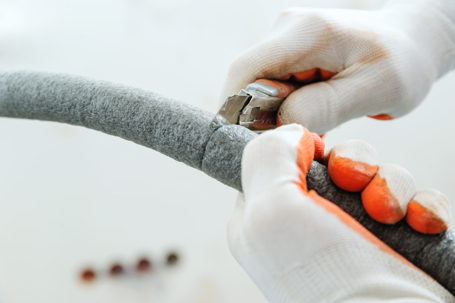
By adding pipe sleeve insulation, such as polyethylene foam or neoprene foam sections sized to your pipes, you increase the pipe’s thermal resistance, also known as its R-value. A higher R-value means slower heat transfer. Water stays hotter inside the pipe between uses, so your water heater does not need to work as hard or as often to maintain the same comfort level.
Reason 2: Hot Water Arrives Faster and Wastes Less Water
One of the most noticeable benefits of insulated hot water pipes is how much quicker hot water reaches distant fixtures. The Department of Energy notes that water can arrive at the tap 2 to 4 degrees Fahrenheit hotter when it travels through insulated pipes rather than through bare metal or plastic. That temperature boost reduces the time you stand with the tap running, waiting for the water to warm up.
The U.S. Energy Information Administration has estimated that the average household can waste more than 3,650 gallons of water every year just waiting for hot water to arrive. All of that water passes through the meter and onto your utility bill without providing any real benefit. Insulated pipes lose less heat to the surrounding air, so the water in the line is closer to your target temperature when you turn the tap.
This difference is especially noticeable in Central New Jersey homes where the bathroom or kitchen is located far from the water heater, a common layout in older housing stock. Long pipes run through unheated basements or crawl spaces, which can significantly cool the water. Adding pipe insulation along these runs can shorten the “wait time” and trim both your water and energy use.
Reason 3: Protect Your Water Heater With a Lower Thermostat Setting
Insulating hot water pipes does more than improve comfort at the tap. It can also help you turn down the water heater thermostat while still getting the hot water performance you want. When less heat is lost between the tank and the fixture, you can often lower the thermostat from around 140°F to around 120°F and still have comfortable showers and effective dishwashing.
A lower water heater thermostat setting slows corrosion and mineral buildup inside the tank and connected pipes. At higher temperatures, dissolved minerals in Central New Jersey water form scale more quickly on heating elements and the inner surfaces of the tank. This buildup can shorten the heater's useful life and reduce efficiency over time. Operating at 120°F reduces that stress and can help the heater perform better for longer.
Lowering the thermostat also reduces standby heat loss, which is the gradual loss of heat from the stored water in a tank-style heater between heating cycles. When the water is kept at a slightly lower temperature, less energy is lost through the tank walls and piping, and the burner or heating elements do not need to cycle as often. Combined with insulated hot water pipes, this creates a compounding effect on energy savings for both tank and tankless water heater systems.
Reason 4: Guard Against Frozen and Burst Pipes in NJ Winters
Central New Jersey winters bring more than just a light chill. Sudden temperature drops and sustained freezing conditions are common, and they put vulnerable plumbing at real risk. Pipes that run through unheated spaces such as basements, crawl spaces, garages, attics, and exterior walls can freeze when temperatures fall fast, particularly if they are not protected.
New Jersey American Water and other local authorities routinely urge homeowners in these areas to insulate their pipes as part of standard winter preparedness. When water inside a pipe freezes, it expands and can create internal pressures that exceed 2,000 psi. That kind of force is more than enough to crack copper, PVC, or PEX lines and lead to a significant leak once the pipe thaws.
Insulation by itself is not a complete freeze-protection solution, especially during extreme cold. However, it slows heat loss from the water inside the pipe and buys valuable time during rapid temperature swings, which New Jersey is known for. When combined with other measures such as sealing air leaks, keeping interior doors open for air circulation, and occasionally letting faucets drip during severe cold, insulated pipes reduce the likelihood of frozen or burst lines during the winter.
Reason 5: Prevent Condensation Damage and Summer Moisture Problems
Pipe insulation is just as helpful in our humid summers as it is in winter. When warm, moist air in a basement or utility room meets the cooler surface of a water pipe, condensation, also called pipe sweating, forms on the outside of the pipe. That moisture can drip onto stored items, drywall, insulation, subfloors, and framing.
Over time, persistent condensation can create conditions for mold growth, wood rot, and long-term structural damage. Even if the damage is limited to rusted hangers or stained ceilings, it still means additional repair costs and disruption. Insulating hot water pipes creates a barrier between the humid air and the pipe surface, reducing condensation and helping keep surrounding materials dry.
Insulating hot pipes that run inside conditioned spaces also helps with summer comfort. Any uninsulated hot water line passing through a wall cavity, closet, or mechanical room can transfer heat into the indoor air. That extra heat becomes part of the cooling load your air conditioner has to remove. By reducing unwanted heat gain, pipe insulation takes a bit of strain off your cooling system, which can help lower your electric bills and keep indoor temperatures more stable.
Reason 6: Extend the Life of Your Plumbing System
Every time hot water flows through a cold pipe, the pipe material expands. When the flow stops and the pipe cools, it contracts again. This repeated thermal cycling puts stress on joints, fittings, and hangers over the years. In older Central New Jersey homes with mixed plumbing materials and long, exposed pipe runs, that stress can contribute to leaks and failures sooner than you might expect.
Insulation helps moderate those temperature swings along the pipe run. By slowing the rate at which the pipe heats up and cools down, insulation reduces the physical movement that occurs with each hot water cycle. This gentler cycling can help protect threaded joints, soldered fittings, and connection points, supporting a longer plumbing system lifespan and reducing maintenance needs over time.
Noise is another side effect of rapid expansion and contraction. Many homeowners notice ticking, creaking, or knocking sounds from pipes in walls or ceilings when hot water starts flowing. Insulated pipes are less prone to sudden temperature changes, and the insulation itself can dampen sound. Fewer noises usually indicate less mechanical stress, which is good news for both your comfort and your plumbing.
Choosing the Right Pipe Insulation
Several types of pipe sleeve insulation are commonly used on hot water lines. Foam pipe covers made from polyethylene or neoprene are widely available and easy to cut and fit over existing pipes. Fiberglass wrap with a vapor barrier can be a good option in areas where higher temperature ratings are needed or where pipes run very close together.
Whichever material you use, the key is to match the sleeve size to the pipe diameter and to cover as much of the accessible hot-water piping as possible, especially in unconditioned spaces. Paying attention to joints, elbows, and valves helps minimize exposed sections where heat loss, condensation, or freezing can still occur.
When to Call a Professional
Many straight pipe runs are relatively simple for a handy homeowner to insulate. However, tight spaces, complex plumbing layouts, or areas near gas appliances may be better handled by a licensed plumbing team. Professional installers can select materials with appropriate temperature ratings, consider both hot and cold water lines, and address safety clearances around flues and burners.
Because hot water pipe insulation ties into broader questions about water heater performance, plumbing system lifespan, and even air conditioning load, it often makes sense to look at the whole system at once. That approach can reveal additional opportunities for improvement, such as adjusting thermostat settings, adding a water heater blanket if appropriate, or addressing older piping that shows signs of wear.
Is Hot Water Pipe Insulation Worth It?
For most Central New Jersey homeowners, hot water pipe insulation is one of the lowest-cost, highest-return plumbing upgrades available. It helps trim energy and water bills, speeds up hot water delivery, reduces moisture problems, supports your water heater, and eases stress on your plumbing system day in and day out.
With more than 35 years of service in Central New Jersey and free estimates on all plumbing work, we understand how to make practical improvements that fit your home and budget. If you would like an assessment of your hot water piping or want to discuss insulation options, you can reach us at Bailey Plumbing Heating Cooling at (800) 717-1793.